
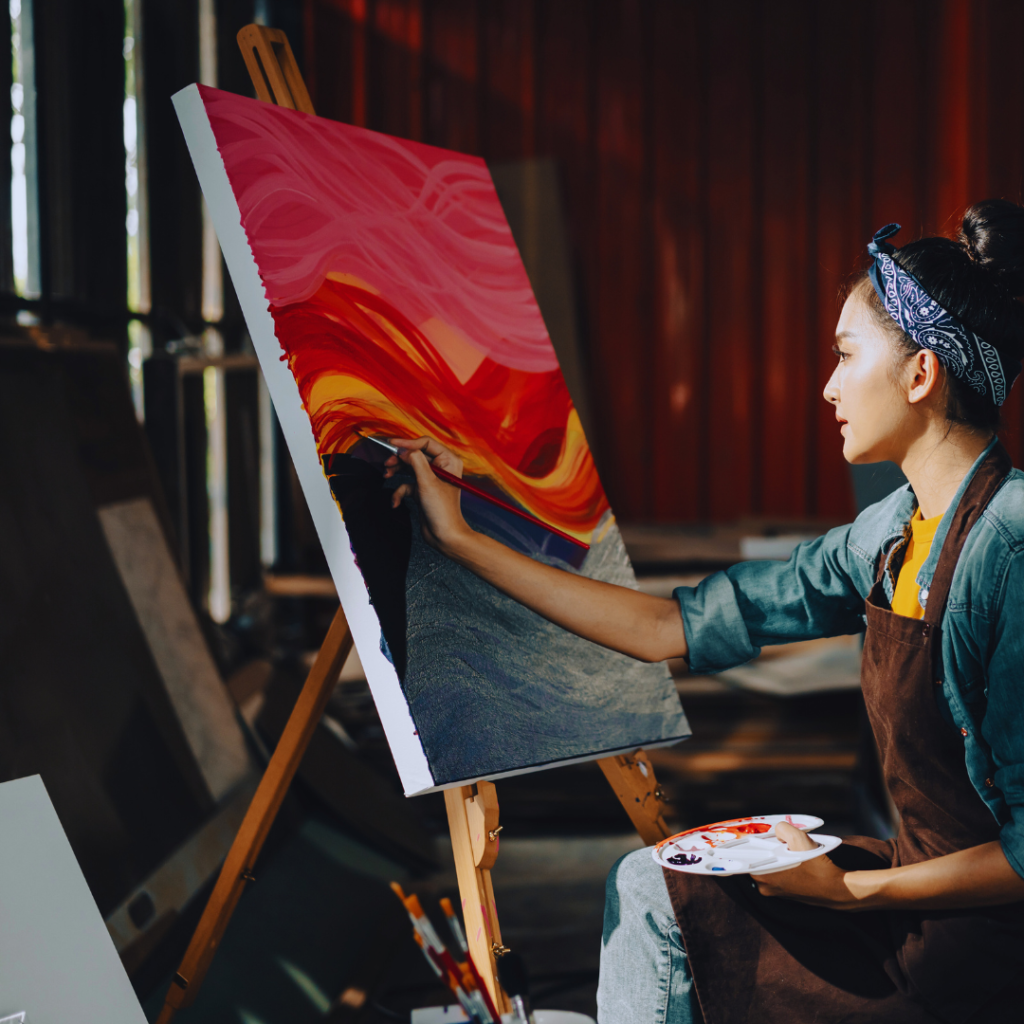
Visual art possesses a unique power to inspire and shift perspectives. Through colours, forms, and narratives, artists invite viewers to see the world through different lenses, challenging preconceived notions and sparking new thoughts. By engaging with visual art, individuals can experience profound insights that encourage them to rethink their beliefs and assumptions.
In a world often characterised by rigid viewpoints, art fosters an environment of openness and curiosity. Each piece can serve as a catalyst for dialogue, prompting viewers to explore themes that resonate with their personal experiences. The emotional and intellectual responses elicited by art can break down barriers and cultivate a deeper understanding of diverse perspectives.
As audiences connect with the imagery and messages conveyed through art, they may find themselves inspired to pursue change, whether in their own lives or within their communities. The transformative nature of visual art is not only evident in its aesthetic appeal but also in its ability to provoke thought and inspire action.
The Transformative Power of Visual Art
Visual art holds the capacity to shift perspectives, evoke emotional responses, and challenge societal norms. Its role as a medium for advocacy is significant, enabling artists to express powerful social commentaries that resonate deeply with audiences.
Evoking Emotion and Fostering Empathy
Visual art elicits strong emotional connections by enabling viewers to engage with diverse narratives. Through colour, form, and texture, artists communicate feelings that transcend language, facilitating a shared human experience.
Artworks often depict personal stories or collective struggles, prompting viewers to reflect on their own emotions. This process fosters empathy as individuals find resonance in the experiences portrayed. By presenting varied viewpoints, art encourages the audience to confront their biases and cultivate ga reater understanding of different backgrounds.
Challenging Societal Norms and Catalysing Social Change
Artists frequently challenge established societal norms through their work. By addressing complex themes such as inequality, injustice, and cultural identity, they provoke thought and inspire action.
By engaging with controversial or difficult subjects, artists push audiences to reconsider their beliefs and values. The transformative power of art lies in its ability to catalyse social change; it can serve as a rallying point for activism. Powerful visuals stimulate discussions and motivate viewers to advocate for change in their own communities.
Advocacy and Raising Awareness Through Artistic Expression
Art serves as a formidable tool for raising awareness about pressing social issues. By capturing attention through impactful visuals, artists can shine a light on topics that may be overlooked.
Whether it is through powerful imagery in photography, striking installations, or provocative paintings, the intention is clear: to inform and inspire. Artistic expression becomes a vehicle for social commentary, facilitating dialogue and urging society to confront uncomfortable truths. The emotional engagement created by visual art significantly contributes to mobilising public support for various causes.
Diversity of Mediums and Techniques in the Visual Arts
The array of mediums and techniques in visual art influences how artists communicate ideas and emotions. This diversity encourages innovation and the exploration of new perspectives within the artistic community.
Conventional and Contemporary Methods
Visual art encompasses various conventional methods like painting, photography, and sculpture. Each of these mediums carries unique characteristics.
- Painting relies on pigments applied to surfaces, allowing for expression through colour and form. Traditional techniques include oil, acrylic, and watercolour.
- Photography captures moments in time, using light to create images. Techniques vary from film to digital processes, impacting artistic interpretation.
Contemporary methods often engage mixed media, merging traditional practices with new materials. Artists utilise unconventional tools and resources, expanding their expressive range. For instance, combining paint with found objects can challenge entrenched norms, encouraging the audience to engage with art differently.
Interactive Installations and Digital Innovations
Interactive installations invite viewers to participate in the artistic experience. These works often incorporate elements like sound, light, and physical interaction, fostering a deeper connection. For example, a sculptural installation might encourage movement within the space, altering perception.
Digital art pushes boundaries by utilising technology for creation and presentation. Artists explore virtual reality (VR) and augmented reality (AR) to present works that transform the viewer’s engagement. Digital innovations allow for unique processes, such as algorithmic art, further broadening the artistic discourse.
Together, these approaches reflect the dynamic evolution of visual arts, energising creativity and promoting novel viewpoints.
Artistic Representation of Identity and Culture
Art serves as a powerful medium for expressing and reshaping cultural narratives. It offers insight into race, gender, and cultural heritage, highlighting the complexities of identity while addressing critical themes of appreciation and appropriation in contemporary society.
Narratives of Race, Gender, and Cultural Heritage
Artistic representation plays a crucial role in conveying the narratives of race and gender. Artists often draw from their own experiences, using their cultural backgrounds to inform their work. This fosters a deeper understanding of the diverse perspectives that shape identity.
For instance, contemporary artists such as Kehinde Wiley and Frida Kahlo have created works that challenge stereotypes and highlight cultural heritage. Wiley’s portraits celebrate Black identity, while Kahlo’s self-portraits explore themes of gender and ethnicity. Through their storytelling, they invite audiences to engage with complex cultural narratives.
Cultural Appreciation vs. Appropriation
The distinction between cultural appreciation and appropriation is vital in the discourse on artistic representation. Appreciation involves respectful engagement with another culture, whereas appropriation often results in exploitation or misrepresentation.
Artists must navigate this delicate balance, ensuring their work honours the cultural significance of the elements they incorporate. Cases like the use of Indigenous motifs in fashion highlight the importance of understanding context and history. By addressing these issues, artists can foster genuine cultural dialogue, allowing for shared narratives that enrich the artistic landscape.
Personal Development and Learning Through Visual Art
Visual art serves as a powerful tool for personal development and education. Engaging with art enhances self-expression and fosters essential skills, such as problem-solving and critical thinking. These attributes are vital in both personal and professional contexts.
Fostering Creativity and Critical Thinking
Engaging with visual art stimulates creativity and encourages innovative thought. Individuals who create or interpret art often explore new ways of seeing the world. This process of self-discovery allows them to challenge their perspectives and assumptions.
Art encourages experimentation, pushing individuals to think outside traditional frameworks. This mindset cultivates critical thinking as they analyse various elements of their creations. The ability to evaluate and critique also develops, leading to improved problem-solving skills in broader contexts.
Art Education and Professional Growth
Art education promotes critical skills that are transferable to the workplace. Exposure to visual arts aids in the development of teamwork, adaptability, and communication. These competencies are increasingly sought after in diverse professional environments.
Moreover, an understanding of visual art enhances cultural awareness and empathy. Engaging with different artistic expressions allows individuals to gain insights into varied human experiences. Such perspectives are invaluable in fostering personal growth and enriching professional interactions.