Balancing creativity and technique in music is essential for producing work that is both original and polished. Creativity fuels new ideas and emotional expression, while technique ensures those ideas are executed effectively. The key is to develop technical skills that support, rather than restrict, creative freedom.
A musician who masters their instrument can more confidently experiment with sounds, structures, and styles. Without sufficient technique, creative impulses may remain undeveloped or frustrating to express.
This balance allows artists to innovate while maintaining clarity and precision in their performance or compositions. Understanding how to integrate both aspects can elevate a musician’s work to a professional and engaging level.
The Interplay of Creativity and Technique in Music
Balancing creativity and technique requires understanding their distinct roles and how they complement each other. Musicians need to navigate this relationship carefully to express themselves fully without sacrificing skill or precision.
Defining Creativity and Technique in Musical Practice
Creativity in music involves generating original ideas, improvisation, and personal expression. It reflects how musicians interpret sounds, emotions, and concepts uniquely.
Technique refers to the physical and theoretical skills necessary for accurate musical execution. This includes mastery of instrument mechanics, timing, finger placement, and reading notation.
While creativity drives innovation, technique provides the foundation that enables musicians to deliver ideas effectively. Both elements develop through practice but remain fundamentally different in focus—imagination versus precision.
The Importance of Balance for Musicianship
Effective musicianship depends on integrating creativity with technical ability. A musician with strong technique but little creativity may produce flawless performances that lack emotional impact.
Conversely, abundant creativity without technical control can result in disorganised or inconsistent music. Balanced musicians connect theory and skill with improvisation, unlocking artistic expression.
This balance supports diverse musical styles. For example:
- Classical musicians blend strict technique with interpretive nuance.
- Jazz artists depend heavily on spontaneous creativity built on solid technical knowledge.
Common Challenges in Achieving Harmony
Many musicians struggle to give equal weight to creativity and technique. Overemphasis on technique can lead to mechanical playing, stifling originality.
On the other hand, prioritising creativity too soon may prevent the development of necessary skills, limiting performance quality. Time constraints and pressure to improve often skew focus towards technique.
Musicians also face internal conflicts, such as fear of making mistakes, which can suppress creative risks. Finding time for both deliberate practice and free exploration is essential but challenging.
Developing Technical Skills Without Sacrificing Creativity
Balancing technical ability and artistic freedom involves disciplined practice paired with intentional experimentation. Musicians must build skills that support, not limit, their creative impulses by integrating music theory and expressive techniques into everyday playing.
Building a Solid Technical Foundation
A strong technical foundation begins with structured practice sessions focusing on key elements like scales, chords, and chord progressions. Developing muscle memory through repetition is essential, particularly for instruments like the piano, where hand independence and finger strength are critical.
Daily routine should include targeted exercises for finger agility and accuracy, utilising music notation to track progress. This disciplined approach ensures technical skills become automatic, freeing mental space for creative exploration during performance or composition.
Incorporating Artistic Expression in Practice Sessions
Practice should go beyond mechanical repetition by incorporating dynamic changes, phrasing, and tempo variations. Musicians can experiment with adding subtle nuances or improvising over familiar passages while maintaining technical control.
Emphasising emotional intent during practice connects physical technique to artistic expression. This method transforms disciplined sessions into opportunities to explore personal style rather than rigid drills, preserving creativity alongside skill development.
Using Music Theory as a Creative Tool
Music theory need not be a restrictive framework but an enabler of creativity. Understanding chord structures, scales, and notation allows musicians to predict outcomes and intentionally manipulate harmonies and melodies.
Instead of memorising rules, musicians can use theory to explore variations, create unconventional chord progressions, and develop new motifs. Proper application of theoretical knowledge enhances creative decisions without compromising technical accuracy.
Fostering Creativity Through Structured and Spontaneous Approaches
Balancing structure and spontaneity enhances musical creativity by combining discipline with exploration. Techniques become tools for expression, while improvisation allows the discovery of personal sound and style.
Creative Exercises for Technique Integration
Effective creativity requires exercises blending technical skill with artistic intent. Practising scales, arpeggios, or chord progressions at varying dynamics encourages control while inviting expressive interpretation.
Using patterned improvisation—such as creating melodies from limited note sets—helps integrate technique seamlessly. This method ensures technical proficiency supports musical ideas instead of hindering them.
Exercises focusing on rhythmic variation and phrasing maintain musical interest and foster originality. Structured practice sessions with targeted goals develop reliable skills that underpin creative freedom.
Improvisation Skills and Finding Your Unique Voice
Improvisation sharpens the ability to create music spontaneously. It forces musicians to react to chords, rhythms, and moods in real time, cultivating a unique voice.
Regular improvisation over different chord progressions encourages exploration beyond rehearsed material. Musicians can experiment with dynamics, melodic shapes, and phrasing to express individual style.
Studying masters like Prince demonstrates how improvisation shapes distinctive musical identity. His dynamic shifts and melodic inventiveness highlight the power of personal interpretation within technical mastery.
Overcoming Performance Anxiety for Artistic Growth
Performance anxiety restricts creativity and affects technical execution. Musicians need strategies to manage nervousness to fully express ideas during live performances.
Breathing exercises, mental rehearsal, and controlled practice recreate performance conditions, reducing stress. Building confidence through small audience exposure gradually diminishes the impact.
Addressing anxiety allows freer improvisation and bolder dynamic choices, essential for authentic artistry. Emotional control during performance enhances communication with listeners and strengthens the musician’s unique voice.
Learning from Influential Musicians and Role Models
Studying influential musicians provides insight into balancing creativity and technique. Analysing their approach to improvisation, melodies, and dynamics reveals practical methods for growth.
Role models like Prince demonstrate how mastery of technique supports fearless experimentation. Observing their practice habits and performance styles helps musicians develop resilience and artistic depth.
Incorporating lessons from respected figures encourages disciplined innovation. It offers concrete examples of how to fuse structured skill with expressive spontaneity in a musical career.
Strategies for Balancing and Mastering Both Elements
Balancing creativity and technical skill requires deliberate planning, critical review, and input from others. Musicians must structure their practice to develop technique without stifling innovation, use recordings for honest self-assessment, seek collaboration for new perspectives, and refine their work through mastering for professional quality.
Designing Effective Practice Sessions
Effective practice sessions combine technical drills and creative exploration. Musicians should allocate specific time blocks to techniques such as scales, rhythm exercises, or sight-reading to develop muscle memory and precision.
Creative practice involves improvisation, experimenting with new sounds, or composing short motifs. Structuring sessions to alternate between these modes helps maintain focus and prevents fatigue.
Using a practice journal to log progress and goals encourages consistent improvement. Setting clear, measurable targets—like mastering a challenging passage or composing a melody—maximises efficiency in musical training.
Recording, Reflection, and Self-Assessment
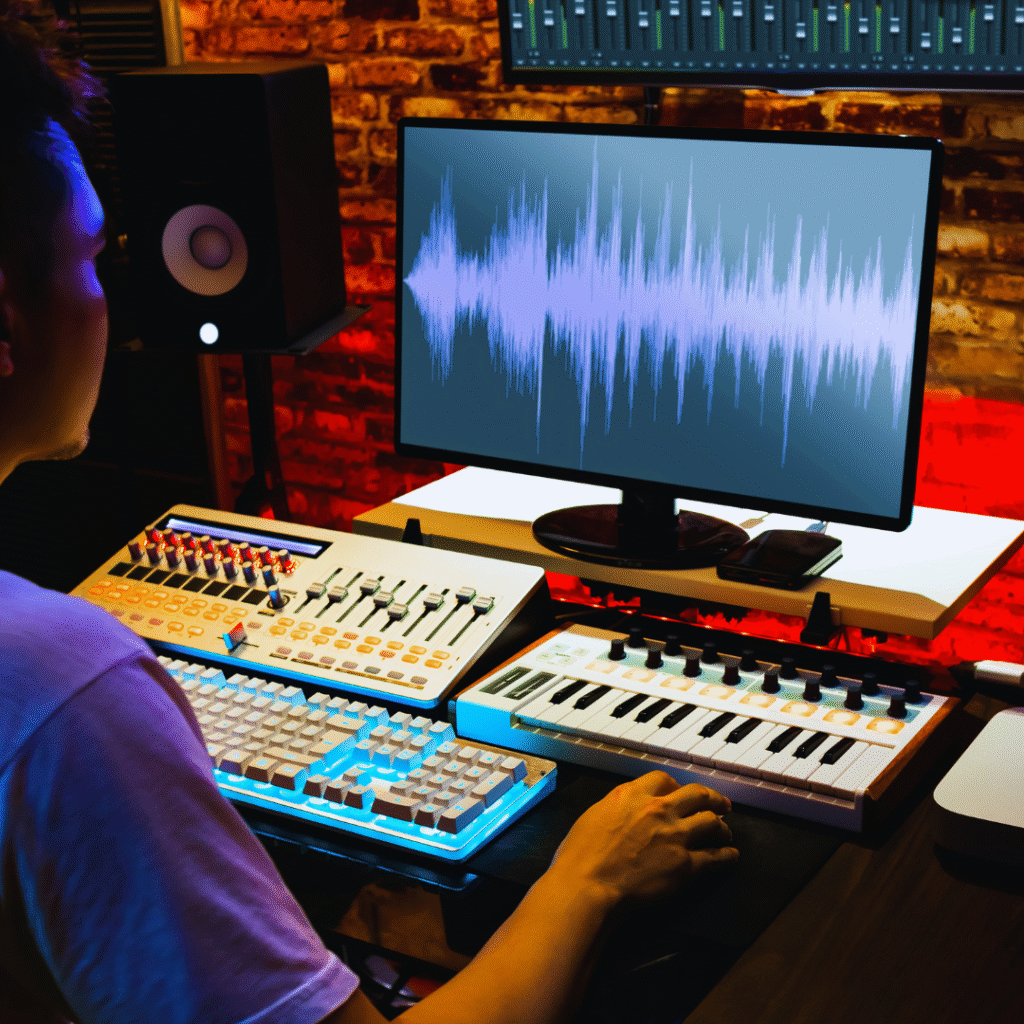
Recording practice sessions or performances allows musicians to analyse both technical accuracy and expressive qualities. Listening back objectively highlights strengths and reveals technical flaws or areas lacking emotional impact.
Reflection should be scheduled soon after the recording, focusing on specific elements such as intonation, timing, and phrasing. Taking notes on areas needing adjustment helps monitor progress over time.
Self-assessment tools like checklists or rating scales support structured reviews. Evaluating recordings regularly fosters awareness of how effectively creativity integrates with technique.
Collaboration and Feedback
Collaborating with other musicians exposes individuals to diverse styles and techniques, challenging them to blend creativity and skill. Group rehearsals or jam sessions create opportunities to test ideas in real-time and receive spontaneous feedback.
Seeking input from teachers, peers, or producers provides valuable external perspectives. Feedback should be specific, focusing on technical execution and artistic expression to balance both aspects.
Open communication during collaboration promotes understanding of each other’s strengths and creative intentions. This dynamic enriches the learning process and leads to more nuanced performances.
Mastering for Artistic and Technical Excellence
Mastering is the final stage that ensures recordings meet professional standards in sound quality and expression. It balances technical corrections with preserving the musician’s artistic vision.
Technical tasks include equalisation, compression, and limiting to enhance clarity and consistency. Artistic decisions during mastering maintain the emotional impact and character of the music.
Musicians involved in the mastering process can communicate their creative goals to engineers, ensuring the final product reflects both skill and originality. This step solidifies the connection between creativity and technique in recorded music.