
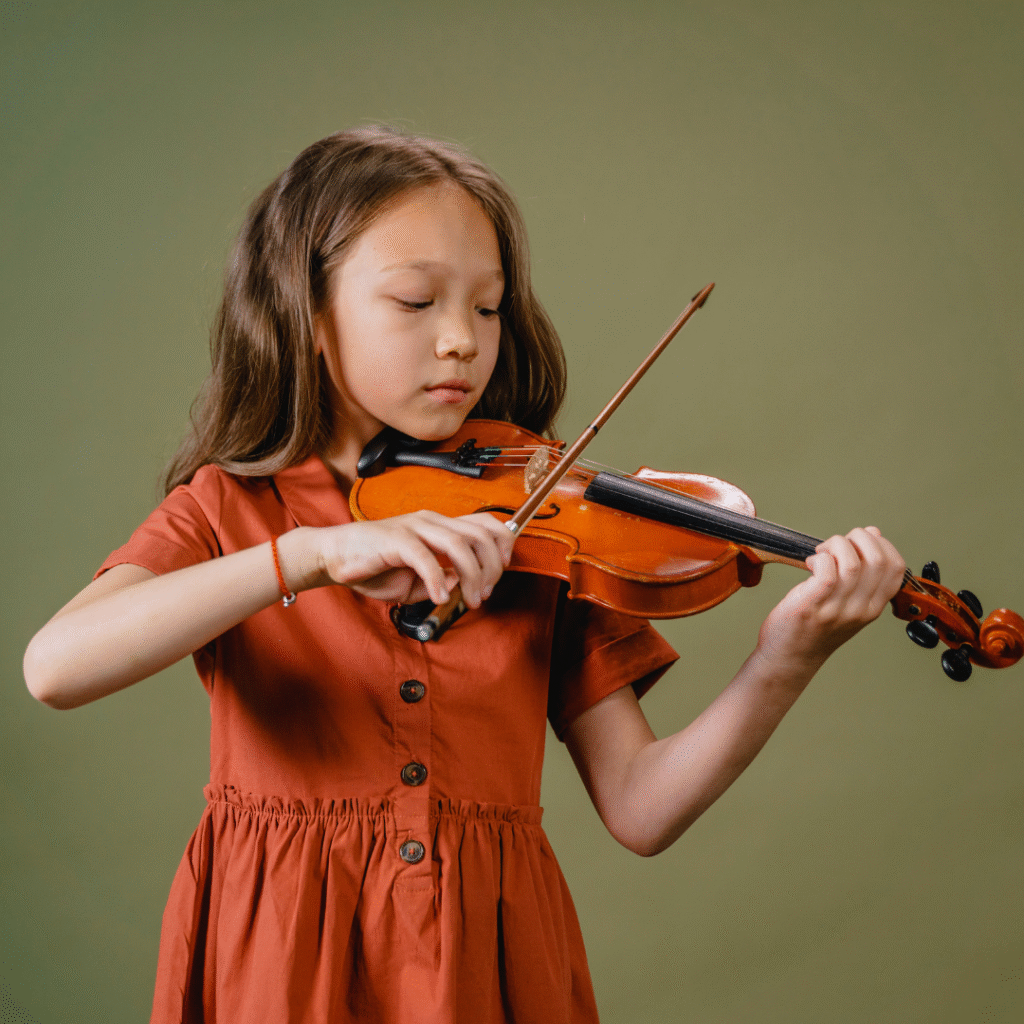
Building confidence as a beginner musician often feels challenging, but it is achievable with the right approach. The key is to focus on consistent practice and small, achievable goals that show measurable progress. This helps reduce anxiety and build a solid foundation to develop skills.
Many beginners struggle with self-doubt and comparison, but confidence grows by recognising personal improvements rather than perfection. Playing regularly and embracing mistakes as part of learning are essential steps.
By adopting a structured routine and celebrating minor successes, a beginner can steadily gain assurance in their musical abilities. This article will explain practical ways to build that confidence from the very start.
Understanding the Foundations of Confidence for Beginner Musicians
Building confidence as a musician starts with recognising what confidence truly means in this context. It involves understanding common barriers like self-doubt and learning to track progress through small but meaningful achievements.
What Is Confidence for Musicians?
Confidence for musicians is the belief in their ability to play, perform, and improve over time. It is less about being perfect and more about feeling comfortable with their current skill set.
This confidence allows musicians to tackle new challenges, experiment, and recover from mistakes without fear. It is built gradually through consistent practice and real-world experience, such as playing in front of others or recording performances.
Musicians who see confidence as a process rather than an innate trait are more likely to persist and develop their skills effectively.
Identifying Sources of Self-Doubt
Self-doubt often stems from comparing oneself to others or setting unrealistic expectations. Beginner musicians might feel discouraged by slow progress, technical difficulties, or fear of criticism.
External factors, like negative feedback or social pressure, can also undermine confidence. Internally, perfectionism and fear of failure make it harder to take risks.
Acknowledging these sources is the first step to overcoming self-doubt. Understanding that doubt is a normal part of learning helps musicians focus on growth instead of setbacks.
Recognising Progress and Celebrating Small Wins
Tracking progress through clear milestones makes confidence more tangible. Small wins, such as mastering a chord, learning a new song, or successfully performing for friends, provide motivation.
Musicians should document these achievements, either in a practice journal or through recordings. This creates visible proof of improvement and reinforces belief in their abilities.
Celebrating small successes shifts attention away from self-doubt and builds momentum. Positive reinforcement encourages continuous effort and leads to stronger, more sustainable confidence.
Practical Strategies to Build Confidence as a Musician
Building confidence as a musician requires focused, actionable steps. Consistency, purposeful goal setting, reviewing performances, and handling mistakes wisely are crucial to overcoming self-doubt.
Establishing a Consistent Practice Routine
A reliable practice routine forms the foundation for building confidence. Musicians should set specific times each day or week to practise, creating a habit that reduces anxiety about skill gaps.
Short, focused sessions often yield better progress than irregular, lengthy practices. Allocating 20-30 minutes daily with a clear plan keeps skills sharp and improves retention.
Consistency also helps musicians track growth objectively. Seeing gradual improvement through regular practice instils belief in their ability to advance.
Using Goal Setting and Tracking Progress
Setting achievable, clear goals is essential for building confidence. Goals might include mastering a particular scale, learning a new song, or improving rhythm.
Musicians should write down goals with deadlines to create accountability. Breaking larger goals into small, manageable steps helps maintain motivation.
Keeping a practice journal or app to record progress allows them to see measurable improvement, which counters self-doubt. Regular review of milestones reinforces a sense of achievement and purpose.
Recording Yourself and Reviewing Performances
Recording practice sessions and performances is a key way to build confidence as a musician. Listening to these recordings allows objective evaluation of tone, timing, and expression without relying on memory.
Musicians often overlook sound errors or areas for growth until they hear a recording. This self-feedback is invaluable for targeted improvement.
Reviewing recordings regularly normalises imperfection and assists in tracking progress over time. It can also strengthen performance readiness by simulating the experience of sharing music with others.
Embracing Mistakes as Learning Opportunities
Recognising mistakes as a normal part of learning helps overcome self-doubt and build confidence. Musicians who view errors as useful feedback rather than failure grow faster.
Instead of avoiding challenging pieces, they should take note of where trouble occurs and focus practice on those areas. This method turns setbacks into clear goals.
Developing a mindset that values effort over perfection aids long-term confidence. Every mistake is a step forward in skill development, not a reason to doubt ability.
Developing Stage Presence and Performing With Assurance
Confidence grows through repeated and deliberate practice. Musicians improve their stage presence by gradually exposing themselves to live performance situations and preparing mentally to handle pressure. Building familiarity with different audience sizes and environments is key to performing with assurance.
Starting With Small Audiences
Performing in front of family, friends, or a few peers is an effective way for a musician to begin building confidence. The familiarity of the audience reduces anxiety and allows focus on technique and musical expression.
Small audiences provide instant feedback and encouragement, which is vital for the learning stage dynamics without feeling overwhelmed. Early performances should be viewed as practice rather than evaluation, removing pressure from the musician.
Musicians should experiment with posture, eye contact, and gestures in these settings. These details form the foundation of a strong stage presence and make future performances with larger audiences more natural.
Participating in Open Mic Events
Open mic events are ideal platforms for beginner musicians aiming to build confidence. They provide real-world experience in front of diverse audiences with varying reactions.
Musicians can observe others, learn set timing, and develop resilience to unexpected occurrences like sound issues or audience distractions. Preparation should include selecting pieces suitable for the event’s atmosphere and practising concise introductions to pieces.
The key benefit of open mic participation lies in its informal, supportive culture. Musicians usually find these events welcoming, and repeated appearances lead to noticeable improvements in comfort and assurance on stage.
Visualisation and Mental Preparation
Visualisation techniques help musicians mentally rehearse performances, reducing anxiety before stepping on stage. Imagining a successful performance with positive audience reactions conditions the mind for confidence.
Musicians should focus on details such as walking on stage, tuning, playing each piece smoothly, and handling mistakes calmly. This mental rehearsal complements physical practice and enhances readiness.
In addition, establishing a pre-performance routine—such as breathing exercises or brief warm-up play—can centre a musician’s focus and calm nerves. Mental preparation is as critical as technical skill in building assurance on stage.
Creating a Supportive Musical Environment
Building confidence as a beginner musician often depends on surrounding oneself with encouragement, constructive input, and peer connection. A positive musical atmosphere allows for steady progress and reduced self-doubt.
Seeking Positive Feedback
Positive feedback helps reinforce skills and motivates continued effort. Musicians should seek comments that highlight specific strengths rather than generic praise, which aids in recognising concrete areas of improvement.
Asking trusted friends, teachers, or fellow musicians for detailed feedback after performances or practice sessions can clarify progress. Examples include: tone quality, rhythm accuracy, or emotional expression.
It is important that feedback balances honesty with encouragement so the musician feels supported but also aware of growth opportunities. This approach reduces the risks of discouragement and builds confidence steadily.
Collaborating With Fellow Musicians
Working with others exposes beginners to different styles and techniques, broadening their musical understanding. Collaboration encourages sharing ideas, which often leads to creative breakthroughs and mutual motivation.
Group projects or jam sessions provide a low-pressure setting to experiment and learn from peers. Musicians can exchange skills and constructive advice, fostering a sense of community.
Collaboration also builds interpersonal skills and reduces anxiety connected to performing alone. Feeling part of a group helps reinforce self-assurance when playing publicly.
Managing Criticism and Comparison
Criticism should be viewed objectively; the focus is on identifying useful points to improve skills rather than taking feedback personally. Musicians must develop resilience to negative comments and filter out those that apply to their goals.
Comparison with others often undermines confidence. Beginners should avoid excessive social media exposure that emphasises polished performances and instead concentrate on personal progress.
Setting small, achievable goals helps maintain focus on self-improvement rather than external validation. A realistic mindset supports steady growth and confidence in one’s musical journey.