Creating a self-care ritual that supports art means establishing consistent habits that nourish both the mind and creativity. A well-designed ritual balances rest, inspiration, and practical routine to sustain artistic focus and prevent burnout.
This process involves identifying simple daily or weekly actions that recharge energy and stimulate imagination, tailored to individual needs. By integrating mindful pauses, creative rituals, and physical care, an artist can maintain motivation and clarity in their work.
Such rituals can include short meditation sessions, regular walks, or setting aside specific times for reflection and experimentation. These practices help maintain a healthy relationship with art, making creativity more sustainable over time.
Understanding Self-Care Rituals for Artists
Self-care rituals for artists directly influence their emotional stability and creative output. These rituals help maintain a balance between productivity and personal well-being, which is essential for sustained artistic growth.
The Role of Art in Emotional Well-Being
Art serves as a powerful outlet for processing emotions. It allows artists to express feelings that might otherwise be difficult to articulate, supporting emotional clarity and resilience.
Engaging regularly with their art can reduce stress and promote mental calmness. This connection often leads to a greater sense of purpose and satisfaction, which contributes positively to overall well-being.
Art also functions as a reflective practice, helping artists to explore internal states and foster self-awareness. This process can be therapeutic, encouraging emotional healing and growth.
Why Self-Care is Crucial for Creative Practice
Consistent self-care supports an artist’s ability to innovate and maintain focus. Without it, fatigue and burnout can reduce both the quality and quantity of creative work.
Self-care strategies help regulate stress and encourage rest, which sharpens cognitive function necessary for problem-solving and original thinking.
Artists who prioritise their health often experience improved motivation and a clearer creative process. Establishing rituals creates a sustainable framework that nurtures both their art and mental health.
Common Barriers to Artistic Self-Care
Artists face obstacles such as irregular schedules, financial pressures, and the tendency to prioritise output over rest. These barriers often undermine the adoption of reliable self-care habits.
Perfectionism and internal criticism can also discourage breaks or distractions, limiting emotional recovery. Many artists struggle to set boundaries that protect their personal time.
Recognising and addressing these barriers is essential to developing effective rituals. Simple adjustments like scheduled pauses or mindful practices can build resilience and balance in creative routines.
Designing Your Personal Self-Care Ritual
Creating a self-care ritual involves deliberate steps tailored to enhance creativity. It includes clarifying creative goals, selecting tools that resonate with the artist, and arranging the workspace to nurture focus and relaxation.
Setting Intentions for Your Artistic Practice
He or she should begin by defining clear, realistic intentions for their art sessions. Intentions might include experimenting with new techniques in painting or dedicating time to journaling in a sketchbook. This clarity helps maintain motivation and provides purpose to the creative process.
Writing down these intentions or verbally affirming them before beginning can reinforce commitment. For example, an artist practising digital art might set a daily goal to explore shading or character design. Intentions act as gentle reminders and keep the self-care ritual aligned with creative growth.
Choosing Your Creative Medium
Selecting a medium that suits the artist’s mood and physical comfort is vital. Whether it’s traditional painting, quick doodling, or digital art, the medium should invite engagement without causing frustration. This choice impacts how easily the artist enters a relaxed, productive state.
They should consider materials that feel accessible and enjoyable, such as a favourite sketchbook or user-friendly digital software. Switching between mediums can honour shifts in creative energy and avoid burnout. The key is consistency in using a chosen medium that supports both artistic exploration and self-care.
Establishing a Supportive Art Environment
An environment that reduces distractions and inspires creativity is crucial for effective self-care. This might mean organising a small, comfortable corner with natural light, art supplies organised within reach, and calm background music.
The space should promote focus but also allow for breaks, with elements like plants or a cosy chair to rest in. Digital artists might use dual monitors or ergonomic setups to avoid strain. Thoughtful design of the workspace encourages sustained artistic practice without unnecessary stress.
Incorporating Mindfulness and Emotional Release
Establishing a connection to the present moment and safely expressing feelings are essential components of a self-care ritual that boosts creativity. This approach supports mental health and enhances well-being while providing a structured way to process emotion through art.
Mindful Art-Making Techniques
Mindful art-making involves focusing attention deliberately on the creative process without judgment. Techniques such as slow, intentional brushstrokes or tactile engagement with materials help ground the artist in the here and now.
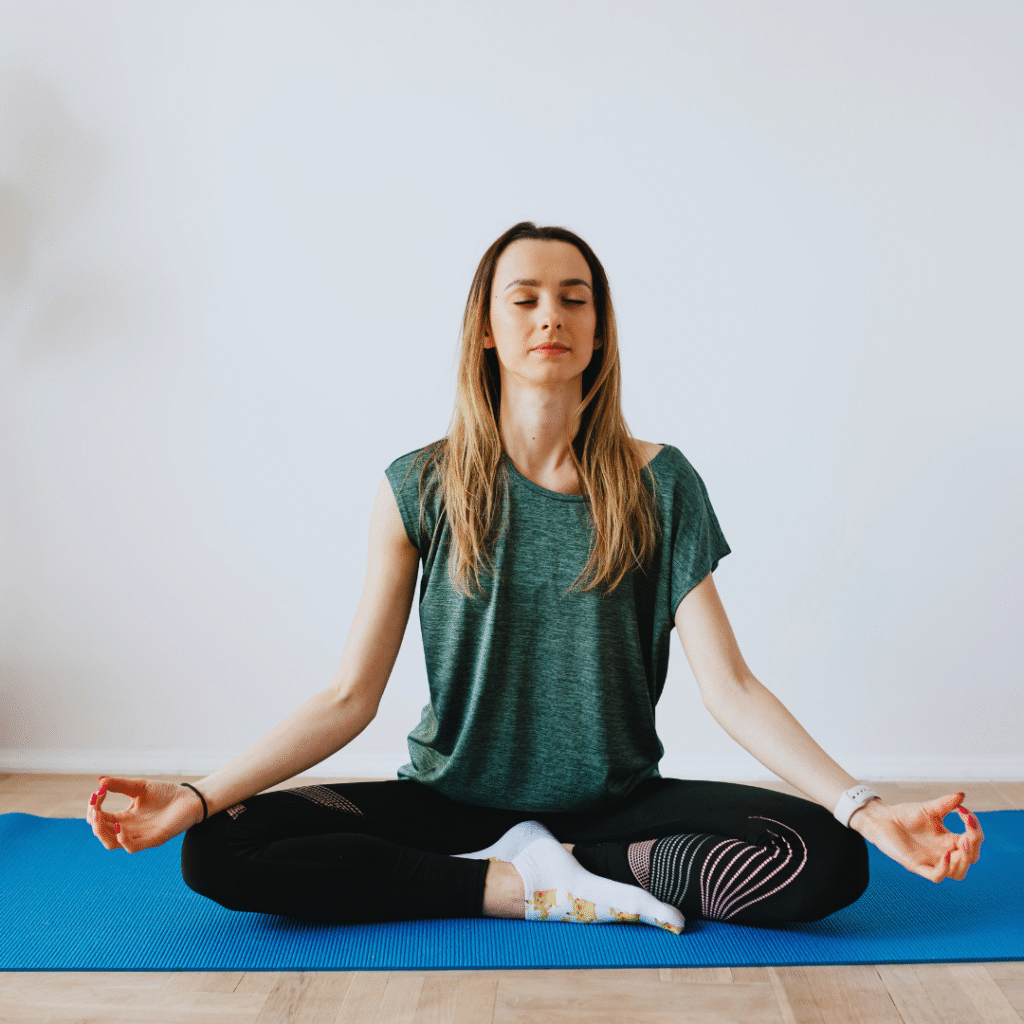
Using meditation before starting can enhance concentration and reduce distractions. Breathing exercises during creation also promote calmness and awareness of physical sensations.
Keeping a simple, rhythmical pace encourages a state of flow, where the artist fully engages with the medium. This practice nurtures mental clarity and reduces stress without the pressure of specific outcomes.
Harnessing Art for Emotional Release
Art can serve as a direct outlet for emotional expression. By choosing colours, shapes, or forms that reflect inner feelings, artists externalise emotions that might be difficult to verbalise.
Techniques like automatic drawing or expressive painting allow spontaneous, raw emotion to surface. These methods help process feelings safely, reducing emotional tension and promoting psychological relief.
Using art to explore difficult emotions supports mental health by providing a non-verbal language for personal experience. It is important to create a safe and private environment to fully access emotional depth without inhibition.
Reflective Practices After Creating
After completing an artwork, reflection consolidates emotional and mental gains. Writing brief notes or journaling about the experience encourages insight into the emotions surfaced during creation.
Reviewing the artwork without judgment helps identify changes in mood or thoughts. This practice supports ongoing awareness of one’s mental state and fosters sustained well-being.
Setting aside time for quiet contemplation engages mindfulness beyond the act of making art. It helps establish a ritual that integrates emotional growth with creative practice.
Sustaining Your Ritual for Lasting Well-Being
Maintaining a self-care ritual that supports art requires deliberate habits, flexibility, and recognition of growth. Each step enhances well-being and nurtures creativity over time.
Building Consistency and Routine
Establishing a consistent routine makes self-care a natural part of daily life. Setting specific times for artistic practice and relaxation helps create a predictable structure. Using reminders, such as alarms or calendars, reinforces commitment without added stress.
Clarity about intentions is crucial: whether focusing on mindful breaks or creative exercises, clear goals maintain motivation. Starting small, with achievable steps, prevents burnout and builds sustainable habits.
Tracking progress visually, like journaling or habit apps, provides insight into what works best. Consistency fosters stability in emotional and creative energy, directly supporting overall well-being.
Adapting Rituals to Evolving Creative Needs
Artistic needs often shift with new projects or phases of life. Flexibility in self-care rituals is essential to accommodate these changes while maintaining support for well-being.
She or he can reassess rituals periodically, adjusting time spent or methods used to match current creative demands. For example, increased meditation during stressful periods or extended studio time for deep work.
Experimenting with new self-care activities—such as different breathwork or movement—can renew energy. Adaptation prevents stagnation and helps sustain creative flow without sacrificing balance.
Celebrating Progress and Sharing Art
Acknowledging progress reinforces positive habits and boosts morale. Celebrations can be small, like setting aside time to review completed work or rewarding oneself with a favourite activity.
Sharing art within a supportive community fosters connection and motivation. It encourages constructive feedback and external recognition, enhancing confidence and ongoing commitment to self-care.
Incorporating these practices into the ritual strengthens the link between artistic growth and well-being, making care feel purposeful and rewarding.