
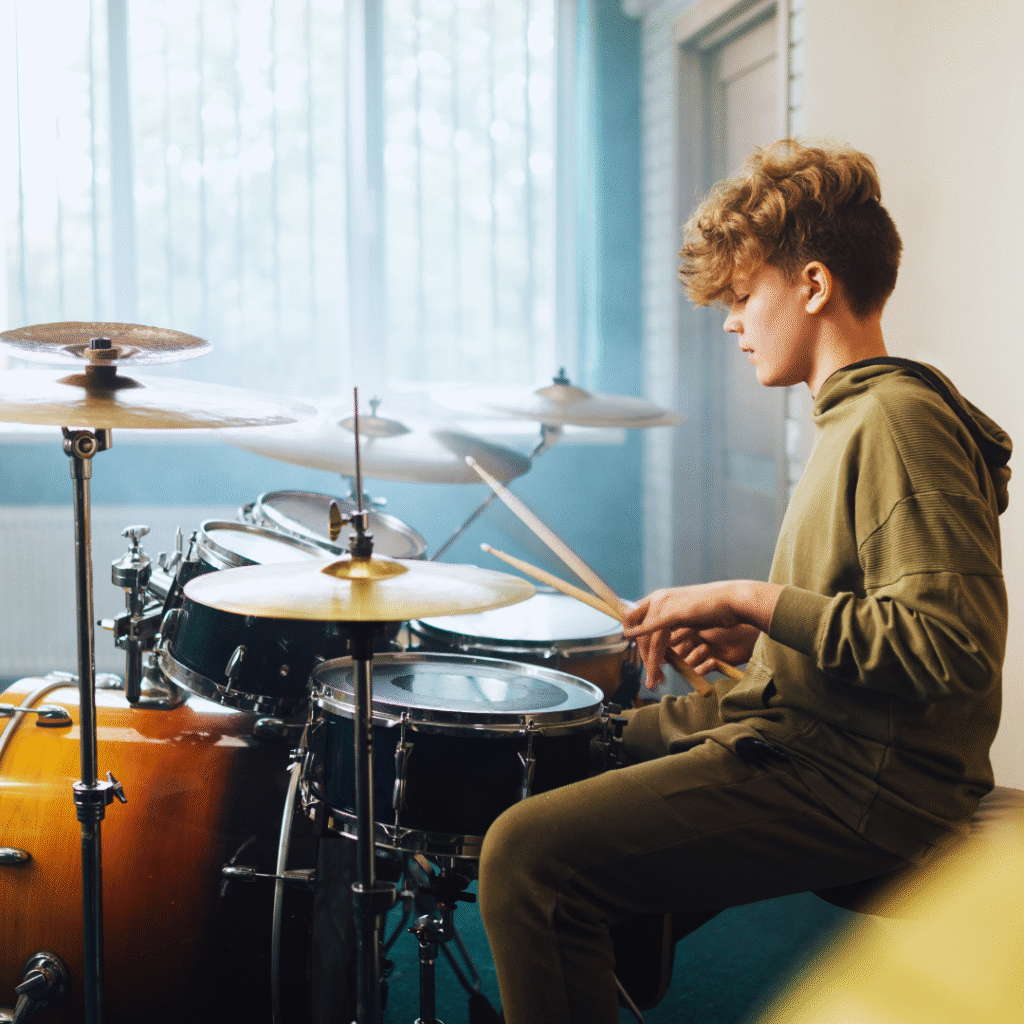
Choosing a musical instrument is not just about sound or popularity; it’s about matching the instrument to a person’s personality and lifestyle. This alignment can make learning more enjoyable and increase the likelihood of long-term commitment.
The right instrument complements traits such as energy level, patience, and social preferences, making it easier to stay motivated and develop skills. For example, someone outgoing may thrive with a guitar or drums, while a more introspective individual might prefer the piano or violin.
By understanding these personality factors, choosing a musical instrument becomes a more thoughtful process that goes beyond random selection. This approach helps individuals find an instrument that fits them well, leading to a more rewarding musical journey.
Understanding How Personality Influences Instrument Selection
Personality affects both the practical and emotional aspects of choosing an instrument. It shapes how a person approaches practice, performance style, and even their long-term musical journey.
Personality Traits and Instrument Types
Certain instruments tend to align with specific personality traits. For example, detail-oriented individuals might gravitate towards the piano or violin, which require precision and focus. Those who enjoy physical activity and energy may prefer drums or trumpet, where rhythmic drive and breath control play a role.
Instruments also differ in social demands. Instruments like the guitar or saxophone encourage collaboration and social interaction, matching outgoing or adventurous personalities. On the other hand, instruments such as the cello or flute may attract introspective players who value emotional expression and subtlety.
Extroversion Versus Introversion in Music
Extroverted players often thrive with instruments that allow bold expression and interaction, such as electric guitar or percussion. They enjoy performing in groups or on stage, where energy is shared with an audience.
Introverts may prefer instruments that support solitary practice and nuanced expression, like the classical piano or clarinet. Their instrument choice may reflect a preference for introspection and control, allowing them to develop their own unique musical voice quietly.
Creativity, Expression, and Musical Fit
Creativity influences how a person connects with an instrument’s sound and capabilities. Improvisational players might favour instruments offering flexibility, such as the saxophone or guitar, where spontaneous expression is central.
Some instruments excel at delivering emotional depth, like the cello or voice. These fit those who seek to convey feelings directly through music. Matching an instrument to personal expressive needs helps sustain motivation and enrich the musical journey.
Aligning Musical Preferences and Goals with the Right Instrument
Choosing an instrument requires matching tastes, ambitions, and lifestyle. The chosen instrument should fit the music styles enjoyed, performance settings, and practical needs such as transport and practice time.
Identifying Preferred Music Styles and Genres
Musical style heavily influences instrument choice. For classical music, instruments like the violin, piano, or flute are foundational. These support complex compositions and formal settings.
Rock music favours guitars, drums, and keyboards for their strong rhythm and dynamic sound. A person drawn to jazz might lean toward the saxophone or trumpet for their expressive range.
Understanding favourite genres helps narrow down options. Instrument timbre and technique should resonate with the musical style to maintain motivation and enjoyment during the musical journey.
Solo Versus Group Performance Considerations
The goal of solo or group performance shapes the instrument choice. Solo players may prefer piano or guitar, which provide a full sound without needing accompaniment.
Group performers often choose instruments that blend well, such as bass guitar or drums in a band, or clarinet and trumpet in a classical ensemble. Collaborative skills are key in group settings.
Instruments suited to both solo and group contexts include the cello or keyboard, offering flexibility for various performance environments.
Portability, Practice Habits, and Accessibility
Portability affects how often and where a person can practice. Smaller instruments like the ukulele or recorder are easy to carry, boosting regular practice.
Larger instruments, such as the double bass or drum kit, require more space and commitment, affecting accessibility. Practice habits, including time availability and noise tolerance, also guide the decision.
Availability of lessons and instruments nearby matters. Easy access encourages consistent learning and development along the musical journey.
| Factor | Example Instruments | Notes |
| Portable | Ukulele, flute | Easy to transport, quick setup |
| Solo Performance | Piano, guitar | Full sound without accompaniment |
| Group Performance | Drums, trumpet | Blend well in ensembles |
| Classical Focus | Violin, cello | Suited to formal music settings |
| Rock/Pop Preference | Electric guitar, drums | Suits dynamic, rhythmic styles |
Physical and Practical Factors in Choosing Your Instrument
Choosing an instrument involves assessing physical abilities, personal characteristics, and practical considerations. These elements influence comfort, playability, and long-term commitment. Understanding these factors helps narrow down options to instruments best suited to individual needs.
Considering Physical Comfort and Coordination
Physical comfort is crucial for sustained practice and performance. Instruments like the violin demand high hand-eye coordination and finger dexterity, whereas percussion relies more on rhythmic precision and arm strength.
Players with limited finger flexibility may find wind instruments challenging, but might excel on the piano or guitar. The weight and size of an instrument also affect comfort; heavier instruments can cause strain during extended use.
Posture plays a role, too. Woodwind players need good breath control and core strength, while string players require finger sensitivity and arm endurance. A mismatch between physique and instrument often leads to discomfort and slower progress.
Age, Size, and Adaptability
Age influences instrument choice by affecting physical capability. Young children usually start on smaller, lighter versions, such as a quarter-size violin or a soprano recorder, to match their stature.
Body size matters because some instruments demand specific reach or lung capacity. A petite player might struggle with the large stretches required by a double bass, while someone with broader hands may favour the guitar or piano.
Instruments that offer adaptability—adjustable features or various sizes—cater well to growing musicians. For example, variable flute head joints and different neck lengths on guitars help accommodate changing physiques.
Time, Budget, and Maintenance Factors
Time commitment affects instrument selection. Instruments like the cello or brass demand regular practice for technique building, while others like electronic keyboards provide immediate feedback with less initial skill.
The budget is significant. String instruments often require extra costs for bows, cases, and professional servicing. Woodwinds need periodic reed replacement and regular pad maintenance, increasing expenses.
Maintenance varies; brass instruments require cleaning valves and tuning slides, whereas guitars need string changes and occasional repairs. Practicality includes travel ease—portable instruments suit frequent movers better than bulky ones.
| Factor | Impact on Selection | Example |
| Physical comfort | Avoid strain, ensure sustained play | Smaller violin for hand size |
| Coordination | Matching skill with instrument demands | Drums require rhythmic skill |
| Age and size | Choose adaptable and proportionate options | Quarter-size violin for kids |
| Time availability | Select based on practice demands | Keyboard for flexible sessions |
| Budget and maintenance | Consider accessory and upkeep costs | Regular reed changes on the clarinet |
Comparing Popular Instruments and Their Personality Matches
Choosing an instrument often depends on traits like patience, social inclination, and physical coordination. Some instruments suit those who prefer solitary focus, while others fit outgoing or rhythm-driven personalities.
Piano, Keyboard, and Voice
The piano and keyboard appeal to individuals who enjoy structure and versatility. They require strong hand-eye coordination and the ability to read both treble and bass clefs simultaneously. Those who are analytical and enjoy practising alone often find these instruments rewarding.
Voice suits expressive and social personalities. Singers tend to be comfortable performing and connecting emotionally with others. It requires continuous vocal care and practice but offers immediate personal expression without relying on a physical instrument.
Guitar, Ukulele, and Bass
The guitar family suits relaxed and adaptable personalities. The acoustic guitar is common among those who enjoy storytelling or songwriting, often valuing portability and simplicity.
Electric guitar players often have a creative, experimental streak, drawn to varied tones and styles. Bass players are typically patient, as their role focuses on rhythm and harmony, which are crucial in group settings.
Ukulele matches cheerful and easygoing individuals. Its smaller size and straightforward chords appeal to beginners or those seeking a light-hearted musical hobby.
Drums, Tabla, and Percussion
Drummers and percussionists typically exhibit strong physical energy and good timing. Drums demand stamina and coordination, often suitable for individuals who thrive in dynamic, fast-paced environments.
Tabla players are disciplined and patient, valuing precision and tradition. This instrument requires controlled hand movements and an understanding of complex rhythmic cycles.
Percussion instruments attract those who enjoy adding texture to music, often driven by a love for rhythm and teamwork.
Brass, Woodwind, and Strings
Brass instruments like the trumpet and tuba appeal to confident, bold personalities. They require lung capacity, breath control, and often a commanding presence.
Woodwinds such as saxophone and flute suit expressive and melodic thinkers, balancing technical skill with emotional delivery. Flute players often value agility and breath control, while saxophonists enjoy versatility across genres.
String instruments like the violin and cello attract patient and detail-oriented individuals. Mastery demands fine motor skills and a keen ear, well-suited to those who appreciate classical traditions or complex musical structures.