
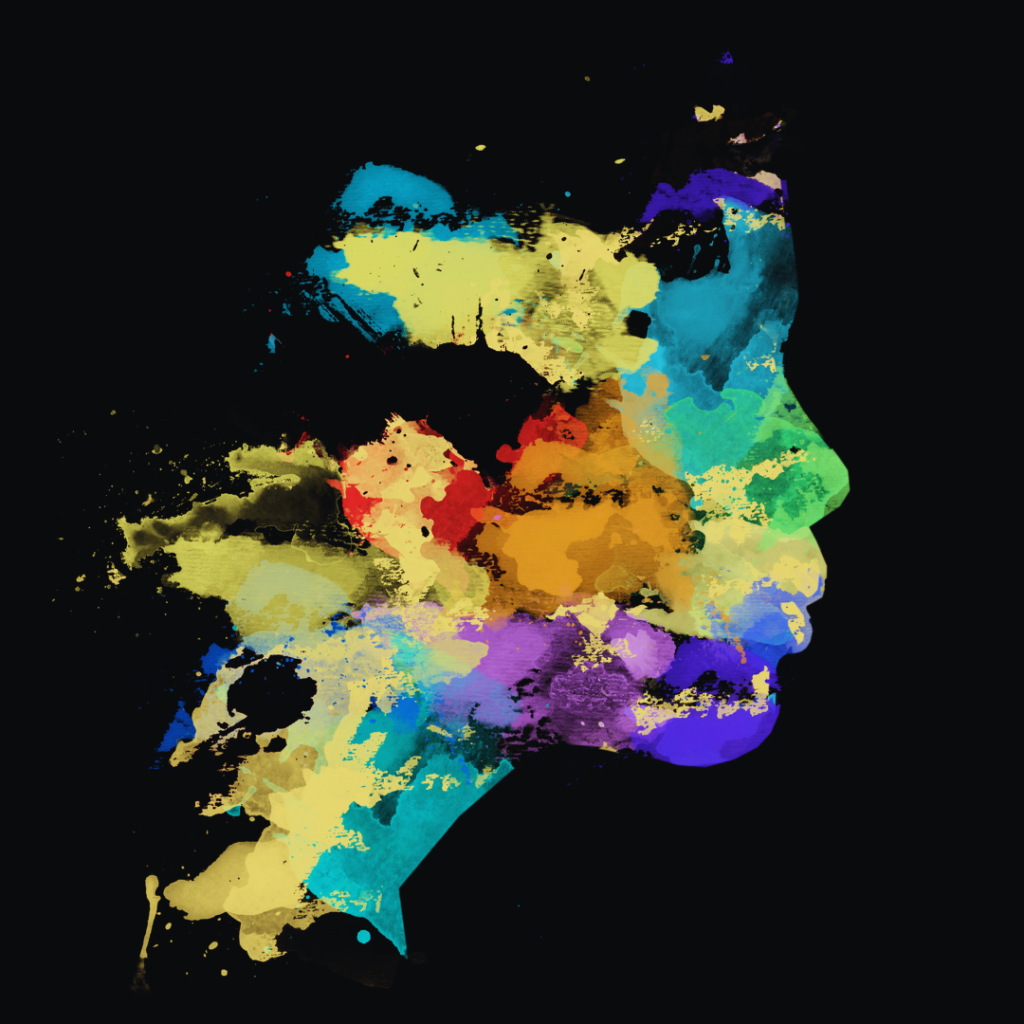
Abstract art transcends traditional forms of expression, offering a unique medium through which individuals can engage with their feelings. By allowing viewers to interpret and respond to emotive colours and shapes, abstract art provides a safe space for processing complex emotions. This form of artistry encourages introspection, enabling a deeper connection with one’s emotional landscape.
In a world where emotions can often feel overwhelming, the unpredictability of abstract art empowers individuals to confront and articulate their feelings without the constraints of verbal language. Each brushstroke invites personal interpretation, making emotional engagement both a cathartic and enriching experience.
Art has long been a vehicle for emotional exploration, and abstract forms bring a distinct avenue for connecting with inner thoughts and feelings. Engaging with abstract pieces can lead to breakthroughs in understanding, making it a valuable tool in navigating the human emotional experience.
Understanding Abstract Art
Abstract art focuses on non-representational forms that evoke emotions and stimulate interpretation. It has evolved over time, influenced by various artists who have redefined creativity and expression through their unique styles.
Defining Non-Representational Forms
Non-representational forms in abstract art are visuals that do not depict objects or scenes from the real world. Instead, they rely on lines, colours, shapes, and textures to convey meaning. Each viewer may interpret these elements differently, allowing for personal emotional responses.
This artistic approach encourages a sense of freedom, enabling artists to express complex feelings without the constraints of realistic representation. It promotes a connection that transcends literal imagery, inviting introspection and emotional exploration.
History and Evolution
Abstract art emerged in the early 20th century as a response to traditional artistic forms. Artists like Wassily Kandinsky, one of the pioneers, believed art should communicate the inner experiences of the soul. His work marked a significant shift towards non-objective art.
Throughout the decades, movements such as Cubism, Futurism, and the Abstract Expressionism of the mid-20th century further developed abstract art. Artists experimented with new techniques, materials, and forms. This evolution paved the way for influential figures like Mark Rothko, known for his colour field paintings, and Jackson Pollock, famous for his drip technique that embodied spontaneity.
Key Figures in Abstract Art: Kandinsky, Rothko, and Pollock
Wassily Kandinsky is often regarded as the father of abstract art. He theorised that colours and shapes could evoke specific emotions, influencing viewers profoundly. His works combine vivid colours with geometric patterns, showcasing the powerful interaction between art and emotion.
Mark Rothko focused on colour fields, creating large canvases with rectangular blocks of colour. His intention was to provoke deep emotional experiences, inviting viewers to immerse themselves in the nuances of hue and space.
Jackson Pollock revolutionised painting with his drip technique, a method where paint is splashed or dripped onto the canvas. This approach emphasises movement and the act of painting itself, encouraging an emotional and visceral viewer experience. Each of these artists significantly contributed to the landscape of abstract art.
Emotional Language of Colours and Shapes
The use of colours and shapes in abstract art conveys deep emotional messages. These elements can represent a spectrum of feelings, from joy to melancholy, and provide a visual language that enhances emotional processing.
Colour Psychology
Colours carry specific emotional connotations. For example, blue often evokes serenity and tranquility, making it effective in conveying calm emotions. Yellow, associated with joy and optimism, can uplift the viewer’s mood. On the other hand, darker tones like black can suggest melancholy or grief.
In contrast, warm colours such as red and orange can stimulate energy and passion. Awareness of these associations can help artists select colours that resonate with intended emotional experiences, creating a powerful emotional impact on viewers.
Shapes and Composition
Shapes also communicate feelings. Geometric shapes often signify stability and order, whereas organic shapes can suggest fluidity and chaos. The choice of shapes influences how one interprets the artwork.
For instance, sharp angles may invoke tension or anxiety, while soft curves can evoke comfort and warmth. The composition, including the arrangement of shapes within the piece, affects emotional perception, guiding the viewer’s eye and building a narrative through visual cues.
The Role of Texture and Brushstrokes
Texture plays a crucial role in emotional expression in abstract art. Varying brushstrokes create different tactile sensations that can affect how emotions are perceived.
Rough, aggressive strokes may convey turmoil or complexity, whereas smooth, gentle strokes can evoke calmness and relaxation. Textural contrasts also enhance visual interest, encouraging viewers to linger longer on a piece. The combination of texture with colour and shape amplifies the emotional narrative, inviting deeper engagement with the artwork.
Artistic Expression and Emotional Impact
Artistic expression, particularly in abstract forms, serves as a powerful conduit for emotional processing. It enables individuals to articulate feelings that may be difficult to express verbally and fosters a deep emotional connection between the artwork and the viewer.
Emotional Expression Through Abstract Art
Abstract art offers a unique avenue for emotional expression by using colour, form, and texture to convey feelings. Artists often create pieces that reflect their emotional state, infusing their work with personal experiences. This approach allows viewers to perceive emotions that resonate with their own experiences, creating a shared understanding.
For instance, a vibrant canvas with bold colours may evoke feelings of excitement or joy, while darker hues might elicit sadness or introspection. The non-representational nature of abstract art encourages individuals to interpret the artwork based on their feelings, making it a deeply personal experience.
Engaging the Viewer’s Emotions
The composition of abstract art plays a critical role in engaging the viewer’s emotions. Various elements, such as movement and balance, significantly influence emotional responses. A dynamic arrangement can instil a sense of energy, while a more subdued composition may foster contemplation and calm.
Moreover, abstract art invites viewers to engage actively with the piece, prompting them to explore their emotional reactions. This engagement encourages creativity and self-reflection, allowing spectators to decode their emotions through the lens of the artwork. The emotional impact of the experience can lead to enhanced emotional well-being.
Abstract Expressionism and Emotional Resonance
Abstract expressionism significantly emphasises emotional resonance, where the artist’s feelings are central to the work. This movement prioritises spontaneity and the raw expression of emotion, often resulting in powerful pieces that resonate with viewers on a personal level.
The emphasis on self-expression in abstract expressionism allows for a genuine connection between the artist and the audience. Viewers may find themselves reflecting on their own emotional experiences, thus fostering a greater understanding of their feelings. The art serves not just as a visual experience but as a means of processing emotions and exploring their depths.
Abstract Art as a Tool for Personal Growth
Abstract art serves as a powerful medium for personal growth through introspection, emotional processing, and the development of connections with one’s own experiences. By engaging with abstract creations, individuals can navigate complex emotions and embark on a reflective journey that fosters psychological well-being.
Reflection and Introspection through Art
Engaging with abstract art encourages reflection and promotes introspection. Viewers often find themselves responding to the emotional landscape presented by the artwork. The ambiguity of abstract forms can spark confusion and intrigue, prompting individuals to explore their feelings deeply.
As they analyse the work, they may discover insights into their thoughts and emotions. This process allows for personal interpretation, creating a unique experience for each observer. The absence of clear subject matter provides a space for personal reflection, allowing viewers to relate their experiences to the layers of meaning within the art.
Therapeutic Benefits of Creating and Viewing Abstract Art
Creating and viewing abstract art offers significant therapeutic benefits. Art therapy often employs mixed media to facilitate emotional expression and exploration. By utilising a variety of materials, individuals can engage their senses and find calmness through the creative process.
The act of creating art can induce a state of flow, where worries are set aside and concentration is dedicated to the artistic expression. This immersive experience enables individuals to channel their emotions into tangible forms, alleviating stress and promoting mental clarity. Viewers also benefit from the psychological effects of observing abstract pieces, as these works can resonate with their personal experiences, fostering a sense of connection and understanding.
Building a Personal Connection with Abstract Creations
Building a personal connection with abstract art is essential for utilising it as a tool for growth. Each viewer’s background and emotional experiences influence their response to artwork. Minimalist compositions, with their simplicity, often evoke deeper feelings by allowing space for personal interpretation.
Layering in abstract art can reflect the complexity of human emotions, mirroring individuals’ emotional journeys. As viewers engage with various pieces, they establish a bond with the artwork, which can lead to profound personal insights. This connection allows individuals to explore their emotional states and fosters personal growth through enhanced self-awareness and expression.