
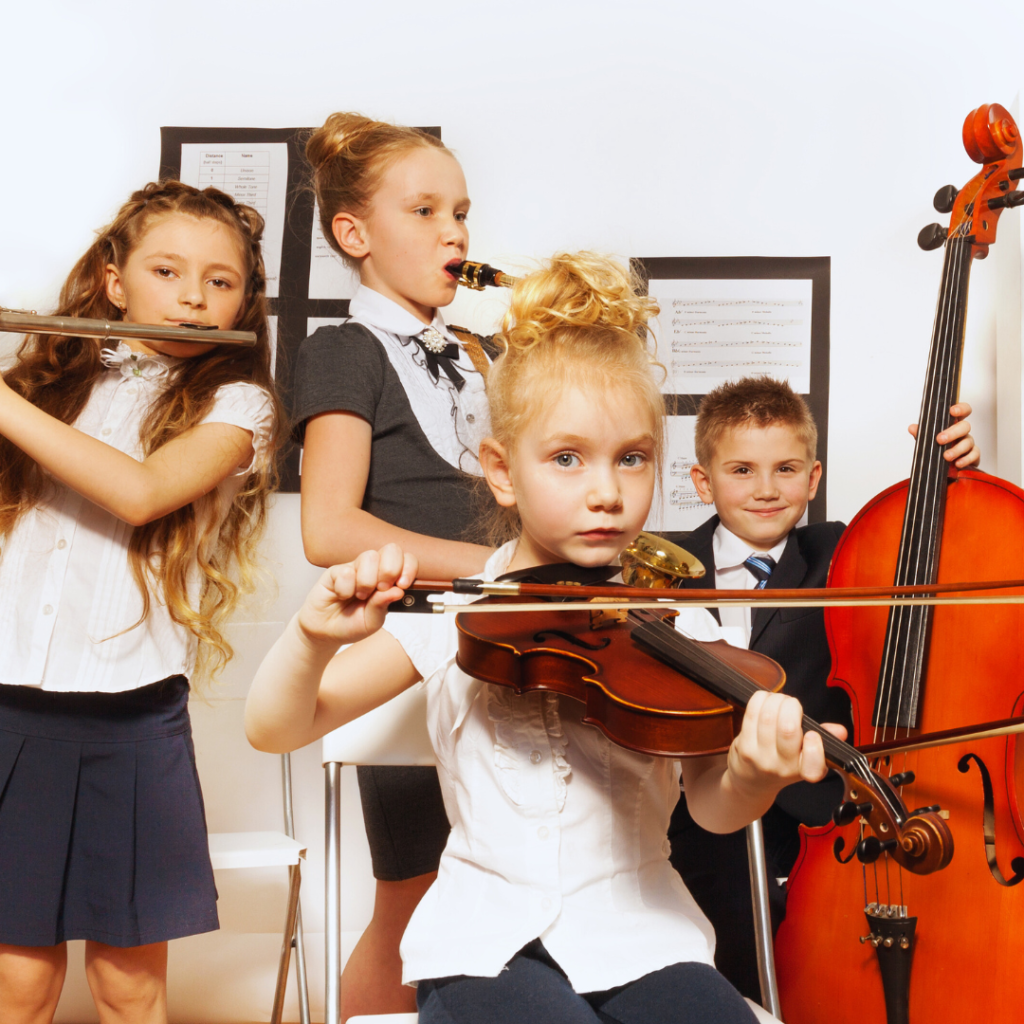
For those looking to start their musical journey, choosing the right instrument can make all the difference. The easiest instruments to play often include the ukulele, keyboard, and recorder, making them ideal for beginners. These instruments require less finger dexterity and have simple learning curves, allowing new musicians to pick them up quickly.
Commitment and dedication are essential when learning to play any instrument, but starting with one that is easier to handle can boost a beginner’s confidence. Instruments like the ukulele and keyboard provide immediate satisfaction, as simple songs can be played within a short time. Focusing on mastering the basics can pave the way for more complex playing as skills develop.
Selecting an easy instrument not only fosters a love for music but also encourages consistent practice. With patience and regular effort, beginners can find joy in their progress and explore the vast world of music.
Selecting Your First Instrument
Choosing the right instrument involves considering various factors that impact its difficulty and suitability for beginners. Understanding these elements can help make a more informed decision about which instrument to start with.
Factors Impacting Difficulty
When selecting an instrument, consider accessibility, commitment, and the physical skills required. Accessibility refers to how easy it is to obtain and maintain the instrument. For example, a ukulele is generally affordable and portable, making it a popular choice.
Commitment involves the time and effort a beginner is willing to invest. Instruments like the piano may require more time to learn musical notation, while drums may focus more on rhythm and coordination.
Physical attributes, like finger dexterity and hand-eye coordination, also affect difficulty. String instruments, such as the guitar or violin, require significant manual coordination, whereas percussion instruments like drums may provide a more straightforward approach to rhythm.
Instrument Types and Their Challenges
Different types of instruments present unique challenges for beginners.
- String Instruments: Instruments like the guitar and ukulele offer accessible learning curves but require practice to master chords and finger positioning. The violin demands more precision in bowing techniques and finger placement.
- Wind Instruments: Flutes and recorders can be easier for beginners but may require specific breathing techniques. The saxophone can present challenges due to embouchure and fingerings.
- Percussion Instruments: Drums are often considered easier for beginners, focusing primarily on rhythm. Coordination becomes key, but learning basic patterns can be relatively straightforward.
- Keyboard Instruments: The piano provides a visual layout of notes, which can simplify understanding musical notation. However, mastering both melody and harmony can be more challenging.
Each instrument offers distinct challenges that can determine a beginner’s experience.
Fundamentals of Playing Music
The foundation of music involves understanding rhythm and melody, as well as basic chord structures. These elements provide the groundwork for any aspiring musician, making it easier to approach various instruments.
Understanding Rhythm and Melody
Rhythm is the heartbeat of music, guiding the pace and movement. It dictates how notes are organised over time and includes elements such as tempo and time signature. For beginners, clapping out a simple rhythm can help internalise this concept.
Melody, on the other hand, is the sequence of notes that are perceived as a single entity. It’s often what one remembers most about a piece of music. Using instruments like the harmonica or recorder allows new players to focus on creating simple melodies. Familiarity with sheet music is beneficial, as it provides a visual representation of rhythm and melody, helping musicians progress.
Starting with Simple Chords and Patterns
Chords serve as the building blocks for music, consisting of two or more notes played together. For guitar beginners, grasping simple chords like G, C, and D can significantly enhance the playing experience. This knowledge enables them to accompany many songs easily.
Strumming patterns add texture to the music, creating varied rhythms. Beginners can start with straightforward down-strokes before experimenting with more complex patterns. Instruments like the bongo drum and tambourine offer an engaging way to explore rhythm in a hands-on manner. Together, these elements form a solid base for further development in music.
Introductory Instruments and Techniques
Choosing the right instrument can set the stage for a rewarding musical journey. Various introductory instruments offer accessible techniques, fostering a sense of accomplishment for beginners.
Stringed Simplicity
The ukulele stands out for its straightforward chord shapes and lightweight body. Ideal for beginners, it features only four nylon strings, resulting in a gentle sound that’s easy on the fingers.
The acoustic guitar is another popular choice. While it has six strings, the clarity of its notes and rich tone appeal to many. Beginners can start with basic chords, allowing them to play popular songs quickly.
The lyre offers a unique stringed experience. With fewer strings and simple plucking techniques, it provides an engaging way to learn about melody and harmony.
Percussion for Beginners
Percussion instruments, like drums and bongos, are excellent for those seeking a hands-on approach. The snare drum’s straightforward technique permits straightforward rhythms, making it engaging for learners.
The xylophone, with its bright wooden bars, is visually appealing and intuitive. Players can easily strike notes to produce melodious sounds. Maracas and castanets add to the mix, as they require minimal technique and offer immediate gratification.
Triangles provide a fun way to explore rhythm. Their simplicity makes them suitable for group settings, allowing learners to participate easily in ensemble play.
Wind Instruments and Easy Tunes
For newcomers interested in wind instruments, the diatonic harmonica in C presents a great starting point. Its compact design and the ability to create expressive melodies make it an appealing choice.
The recorder is another fantastic option, often introduced in schools. Its straightforward fingerings allow beginners to play simple tunes rapidly.
The flute, while requiring a bit more practice, offers beautiful tones and an engaging playing experience. The trumpet and bugle are also welcoming choices, involving direct breath control and producing a bright sound with minimal effort.
Keyboards and Electronic Options
Keyboards and electronic instruments provide versatility for beginners. The electronic keyboard offers a vast array of sounds and rhythms, making practice enjoyable.
Traditional organs present learners with a familiar layout, allowing them to engage with music theory while playing.
For those interested in advanced techniques, the electric guitar combines the excitement of playing with contemporary music styles. It’s accessible and offers a direct connection to modern genres.
Overall, various introductory instruments and techniques enhance the learning experience, providing a solid foundation in music.
Musical Genres for Beginners
Musical genres provide a rich landscape for beginners to explore various styles of music. They can choose genres that align with their instrument strengths and preferred sounds.
Exploring Folk and Classical Beginnings
Folk music often serves as a welcoming starting point for beginners. Its simple chord progressions and relatable themes make it accessible for instruments like the guitar and ukulele. Beginners can easily learn captivating melodies and sing along, fostering a sense of accomplishment.
Classical music offers a different foundation. Instruments such as the piano and violin introduce players to structured compositions and techniques. With a focus on precision, learners can develop skills in reading music and understanding musical notation, essential for future advancement.
The Rhythms of Jazz and Blues
Jazz and blues provide unique opportunities for musical exploration. Both genres embrace improvisation, allowing beginners to express creativity. Instruments like the harmonica and drums are common in these styles, making them approachable for new players.
In jazz, learning basic chord progressions can help develop rhythm and timing. The blues emphasises a straightforward structure, beneficial for beginners to grasp fundamental concepts. Together, these genres not only enhance technical skills but also cultivate a deep appreciation for musical expression.