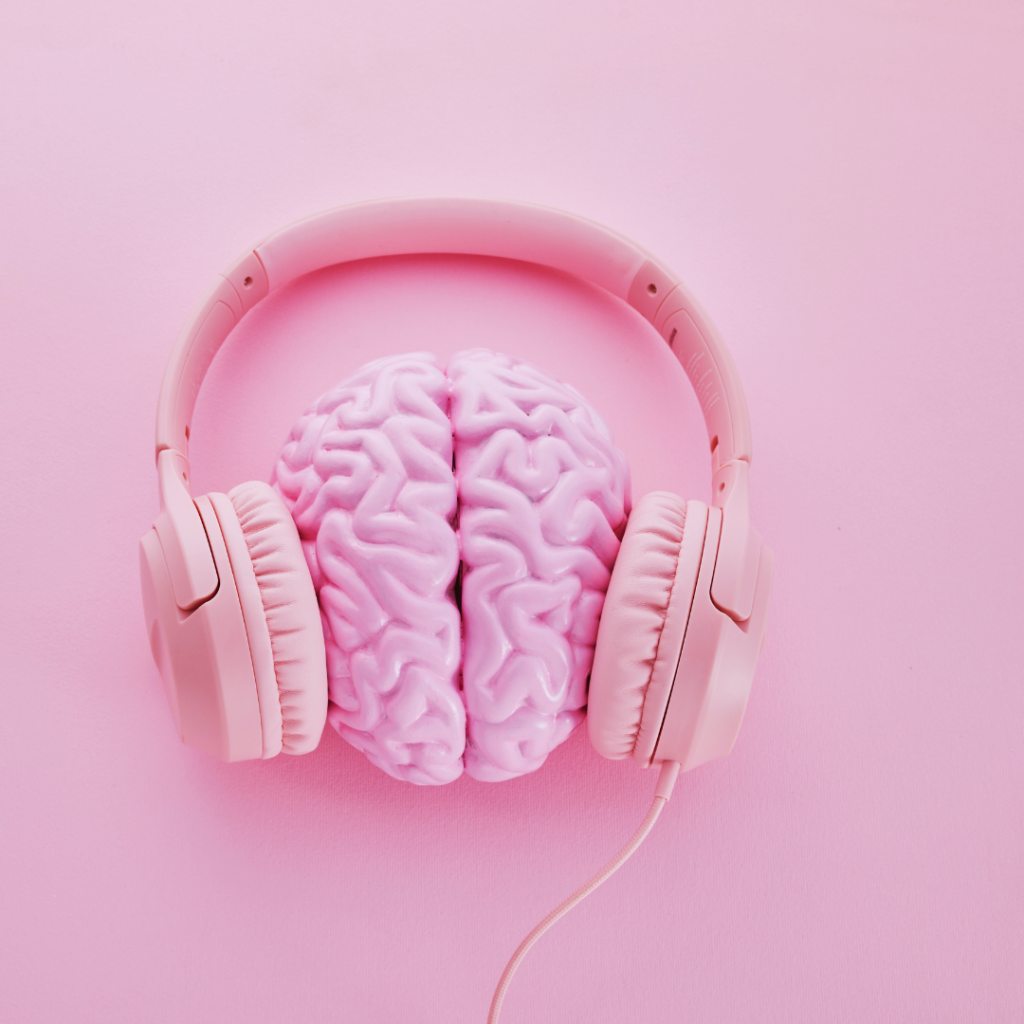
Music possesses a profound influence on human emotions and behaviour. It has the ability to evoke memories, inspire creativity, and foster social connections, making it a fundamental aspect of the human experience. People turn to music for motivation, comfort, and solace, illustrating its essential role in their lives.
Studies have shown that music can reduce stress, enhance cognitive performance, and even aid in physical healing. Its therapeutic benefits extend beyond mere entertainment; they touch on aspects of mental health and well-being that are invaluable in today’s fast-paced world.
As individuals navigate their daily challenges, music remains a reliable companion, providing a soundtrack for their journeys. Exploring the various ways music impacts life reveals insights into its enduring power and significance.
Understanding the Power of Music
Music significantly influences both health and social connections. Its effects can manifest biologically, psychologically, and communally, shaping the experience of individuals and groups alike.
Biological Impact of Music on Health
Music triggers biological responses that can benefit health. Listening to music can increase dopamine levels, which serve as a reward signal in the brain. This release of dopamine is often associated with feelings of pleasure and happiness.
Studies show that engaging with music can also reduce stress levels by lowering heart rate and cortisol production. Music can aid in pain management by promoting the release of endorphins, similar to opioids, allowing individuals to experience a greater sense of relief. Such biological responses highlight music’s potential as a complementary therapeutic tool in healthcare settings.
Psychological Effects and Well-Being
The connection between music and psychological well-being is well documented. Listening to music can alleviate symptoms of depression and anxiety, creating a sense of emotional release. Music therapy has proven effective in clinical settings, providing patients a means to express emotions they may struggle to articulate.
Moreover, music fosters a sense of belonging and can reduce feelings of isolation. Engaging in music, whether by listening or participating, activates areas of the brain associated with memory and emotion, reinforcing emotional resilience. This interplay can substantially enhance individuals’ mental health and overall well-being.
The Role of Music in Community and Connection
Music serves as a universal language that brings people together. It plays a vital role in cultural expression and community identity. Shared musical experiences, such as concerts or communal sing-alongs, help strengthen bonds among individuals, enhancing relationships and social cohesion.
Participating in musical activities fosters cooperation and empathy among diverse groups. Events like music festivals or local performances create opportunities for interaction while promoting cultural appreciation. Ultimately, the communal aspect of music solidifies its power, reinforcing connections that contribute to a harmonious society.
Genres and Modalities
Music encompasses a wide array of genres and modalities, each with its unique characteristics and influences. Understanding different genres can highlight their distinct emotional and therapeutic impacts, while live music offers communal experiences that can enhance well-being.
Exploring Different Genres of Music
Music genres, such as classical, jazz, rock, and pop, each foster unique emotional and cognitive responses. Classical music, known for its intricate structures, often aids concentration and relaxation. In contrast, genres like rock or hip-hop can energise and motivate, resonating with listeners on a personal level.
Many genres incorporate rituals, enhancing their cultural significance. For instance, traditional folk music often accompanies communal gatherings and celebrations. This connection fosters shared experiences and strengthens community bonds.
Genres also affect neural pathways. Studies suggest that exposure to diverse music stimulates brain activity, promoting emotional regulation and cognitive functioning. This nuance highlights the transformative power of music in daily life.
Music Therapy and Its Applications
Music therapy employs various genres tailored to individual needs, utilising music as a therapeutic medium. Therapists may use classical music to promote relaxation or rhythmic genres to encourage movement and physical engagement.
Research supports its efficacy in mental health treatment, particularly for anxiety and depression. Music activates emotional responses, helping individuals process feelings in a safe environment. By facilitating expression, it opens avenues for personal growth and healing.
Beyond mental well-being, music therapy also plays a vital role in cognitive rehabilitation, helping individuals recovering from strokes or brain injuries by stimulating memory and enhancing verbal skills. Additionally, music is widely used in relaxation settings, such as a massage spa in Bayonne, NJ or similar others, where calming melodies complement massage therapies to enhance the overall experience, reduce stress, and promote deep relaxation.
The Uniting Power of Live Music
Live music creates shared experiences that foster social connections. Concerts and performances bring individuals together, creating moments of joy and unity. The communal atmosphere encourages interactions that strengthen relationships.
Interestingly, live music stimulates the brain differently than recorded music. The immediacy of a live performance enriches the sensory experience, forging stronger emotional connections. Audiences often report heightened feelings of happiness and connectedness during these events.
Rituals surrounding live music, such as festivals or religious ceremonies, further amplify its impact. These events celebrate cultural heritage while providing a platform for communal expression. The collective energy generated during such gatherings highlights music’s ability to transcend individual experiences.
Music and Personal Growth
Music serves as a powerful catalyst for personal growth, influencing various aspects of development through both active participation and education. Engaging with music can improve cognitive abilities, emotional expression, and social skills.
How Making Music Influences Personal Development
Making music fosters numerous skills that contribute to personal development. Musicians often learn discipline through practice, which enhances their ability to set and achieve goals. This commitment to improvement can extend beyond music into other areas of life.
Creativity flourishes in environments where music is a core activity. Those involved in making music often develop better problem-solving skills. Collaborating with others in band settings also promotes teamwork and communication.
Moreover, engaging in music provides an emotional outlet, helping individuals manage stress and anxiety. This emotional intelligence is crucial for personal growth, allowing people to understand and express their feelings more effectively.
Music Education and Cognitive Advancement
Music education significantly impacts cognitive development. Studies indicate that learning to play an instrument enhances memory skills, concentration, and critical thinking. It encourages brain development in young learners, impacting areas associated with literacy and numeracy.
Moreover, music education promotes effective learning habits. Students often demonstrate increased motivation and engagement in academic pursuits. Even early exposure through programs at a Day Care in Cockeysville, MD, or a local option can set the foundation for these cognitive and developmental benefits, helping young children build attention spans and social awareness from an early age.
Participating in musical activities also enhances social skills, fostering connections through group performances and collaborative learning. By engaging in music education, individuals can cultivate a well-rounded intellect, preparing them for various life challenges.