
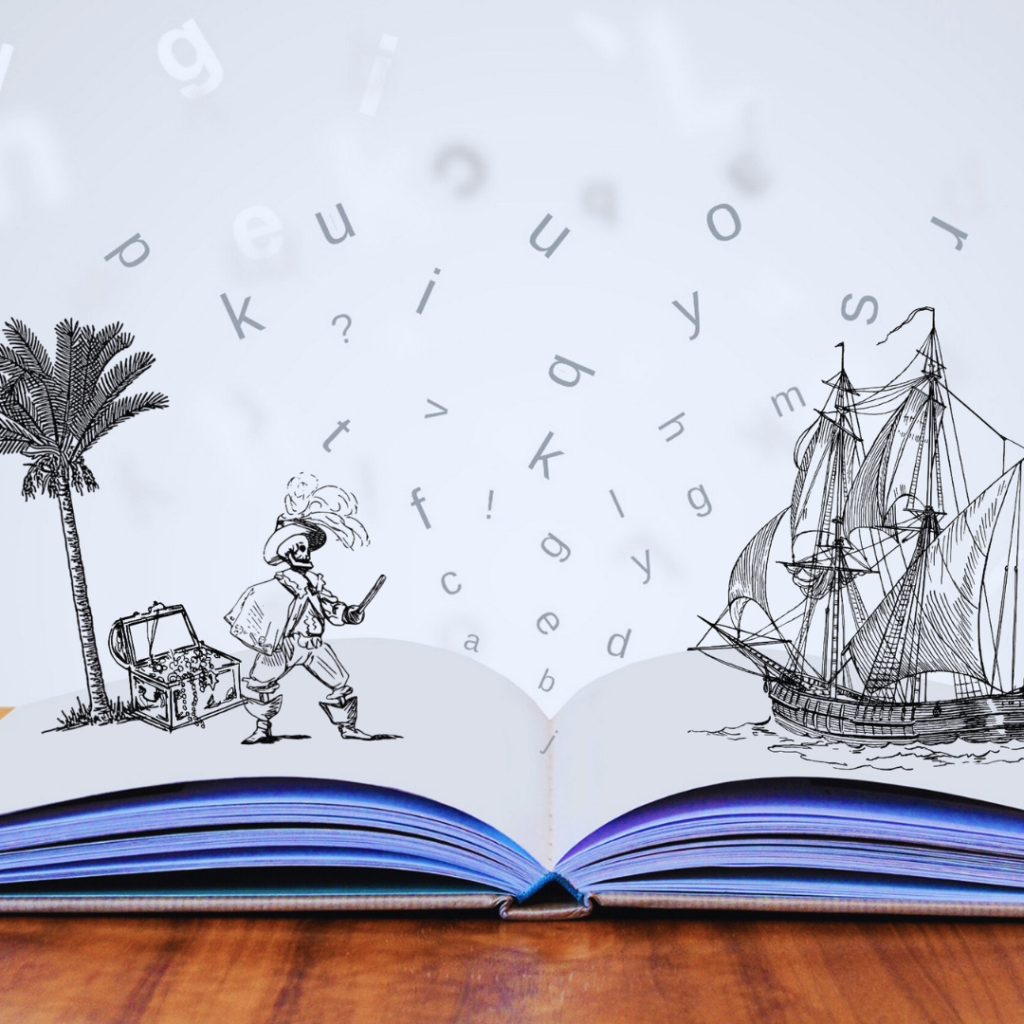
Storytelling is a fundamental aspect of human communication. It transcends cultures and eras, allowing individuals to share experiences, ideas, and emotions. The art of storytelling in writing is crucial for captivating readers and conveying messages effectively.
A well-crafted narrative engages the audience, drawing them into an immersive experience that can evoke empathy and understanding. Through techniques such as character development, conflict resolution, and thematic depth, writers create stories that resonate with their readers. The ability to tell a compelling story can turn ordinary content into something memorable and impactful.
Ultimately, mastering the art of storytelling enhances a writer’s skill set, making their work not just informative but also transformative. By utilising narrative techniques, they can influence thoughts and inspire actions, demonstrating the true power of storytelling in written form.
Fundamentals of Storytelling in Writing
Effective storytelling comprises essential components that work together to create engaging narratives. Understanding these foundational elements enables writers to connect with their audience and craft compelling stories.
The Essence of Narrative
At the core of any narrative is the plot, which is the sequence of events that unfold in a story. A well-structured plot typically follows a beginning, middle, and end, forming a coherent arc that captivates readers.
Character development is also crucial. Characters must evolve and face challenges that relate to the central conflict. This conflict drives the narrative forward, allowing characters to confront their fears and desires.
Additionally, the setting provides context and ambience, grounding the story in a specific time and place. A well-defined setting enhances the reader’s immersion and can influence the characters’ actions and choices.
Key Elements of Story Structure
Story structure comprises key elements that guide the writer in crafting cohesive narratives. The themes of a story convey deeper meanings or messages, allowing readers to reflect on their own experiences.
The point of view from which a story is told shapes how the audience perceives events. A first-person perspective offers intimacy, while a third-person viewpoint can provide broader insight into multiple characters.
Using techniques such as foreshadowing and symbolism enriches the storytelling experience. Writers can enhance emotional impact by incorporating these devices, engaging readers’ imaginations and prompting them to explore the narrative’s subtext.
Character and Conflict
Character and conflict are essential elements of storytelling, creating emotional connections that resonate with readers. Relatable characters drive the narrative, while conflict introduces challenges that propel the story forward.
Creating Relatable Characters
Relatable characters are crucial for engaging readers. They often face dilemmas and experiences reflective of the audience’s own struggles. Authors should develop multifaceted personalities, incorporating strengths and vulnerabilities.
To deepen engagement, writers can:
- Show character development: Characters should evolve through experiences, allowing readers to witness growth.
- Use internal monologues: These insights provide a glimpse into thoughts and feelings, fostering empathy.
- Incorporate flaws: Imperfections make characters more human and relatable, allowing readers to connect on a personal level.
By crafting well-rounded characters, authors invite readers to invest in their journeys.
Weaving Conflict into Narratives
Conflict is the driving force of any narrative. It introduces tension, challenges characters, and facilitates their growth through resolution.
Conflict can take various forms:
- Internal conflict: Emotional struggles within a character can lead to significant development.
- External conflict: Conflicts with other characters or societal pressures create dynamics that keep the story engaging.
- Interpersonal conflict: Relationships often serve as a source of tension that propels the plot.
Writers should ensure that each conflict serves a purpose, enhancing character arcs and advancing the narrative. Effective resolution of these conflicts leads to satisfying conclusions that resonate with the audience, reinforcing the emotional stakes established throughout the story.
Crafting Engaging Dialogue and Descriptions
Effective storytelling hinges on the skilful use of dialogue and descriptive language. These elements not only advance the plot but also deepen characterisation and enhance the reader’s experience.
Dialogue That Drives the Story
Dialogue functions as a powerful narrative tool. It reveals character traits, conveys emotions, and can be used for foreshadowing. Writers should aim for authenticity, ensuring that characters speak in ways true to their backgrounds and situations.
Incorporating conflict within dialogue can heighten tension and engage readers. For example, using interruptions or misunderstandings reflects real-life conversations and adds depth.
Key strategies include:
- Listening to real conversations for natural speech patterns.
- Varying speech styles to distinguish characters.
- Incorporating subtext, where characters imply more than they say outright.
Descriptive Language and Sensory Details
Descriptive language enriches storytelling by painting vivid images. It invites readers to experience the story through sight, sound, smell, taste, and touch. Sensory details can evoke emotions and create a more immersive experience.
Using specific, concrete nouns and active verbs strengthens descriptions. For instance, rather than saying “The flower was pretty”, one might say “The rose unfurled its crimson petals, releasing a sweet fragrance”.
Incorporating symbolism can deepen meaning, allowing objects to convey broader themes. Writers should also avoid clichés to keep descriptions fresh and engaging.
Effective techniques include:
- Using metaphors and similes to draw comparisons.
- Employing varied sentence lengths to create rhythm.
- Integrating sensory details strategically to enhance the atmosphere.
Understanding Your Audience and Medium
Recognising the target audience and the medium is vital in storytelling. Their expectations significantly influence narrative choices and techniques. Understanding these aspects allows writers to connect effectively and engage their readers or viewers.
Audience Expectations and Engagement
Knowing the audience is crucial for crafting a compelling story. Readers of novels often expect in-depth character development and intricate plots. In contrast, viewers of films typically seek visual engagement and a more condensed narrative.
Identifying demographic details such as age, cultural background, and interests aids in tailoring content. Engaging the audience also involves understanding their emotional triggers. Creating relatable characters and situations leads to deeper emotional responses.
Using methods like surveys or feedback can enhance insight into audience preferences, ensuring stories resonate. A well-understood audience increases the chances of a successful narrative.
Storytelling Across Different Media
Storytelling varies significantly across media such as novels, films, and short stories. Each medium has distinct conventions that influence how a narrative is presented. For instance, screenplays focus heavily on visual cues and dialogue, necessitating the economy of words.
In contrast, novels often allow for expansive world-building and internal monologues. Oral tradition relies on performance elements, such as intonation and delivery, making it vital to connect with listeners.
Each medium demands a unique approach. Skills must adapt to convey themes effectively. A good writer understands these differences and can leverage them to tell stories that captivate audiences, no matter the form they take.