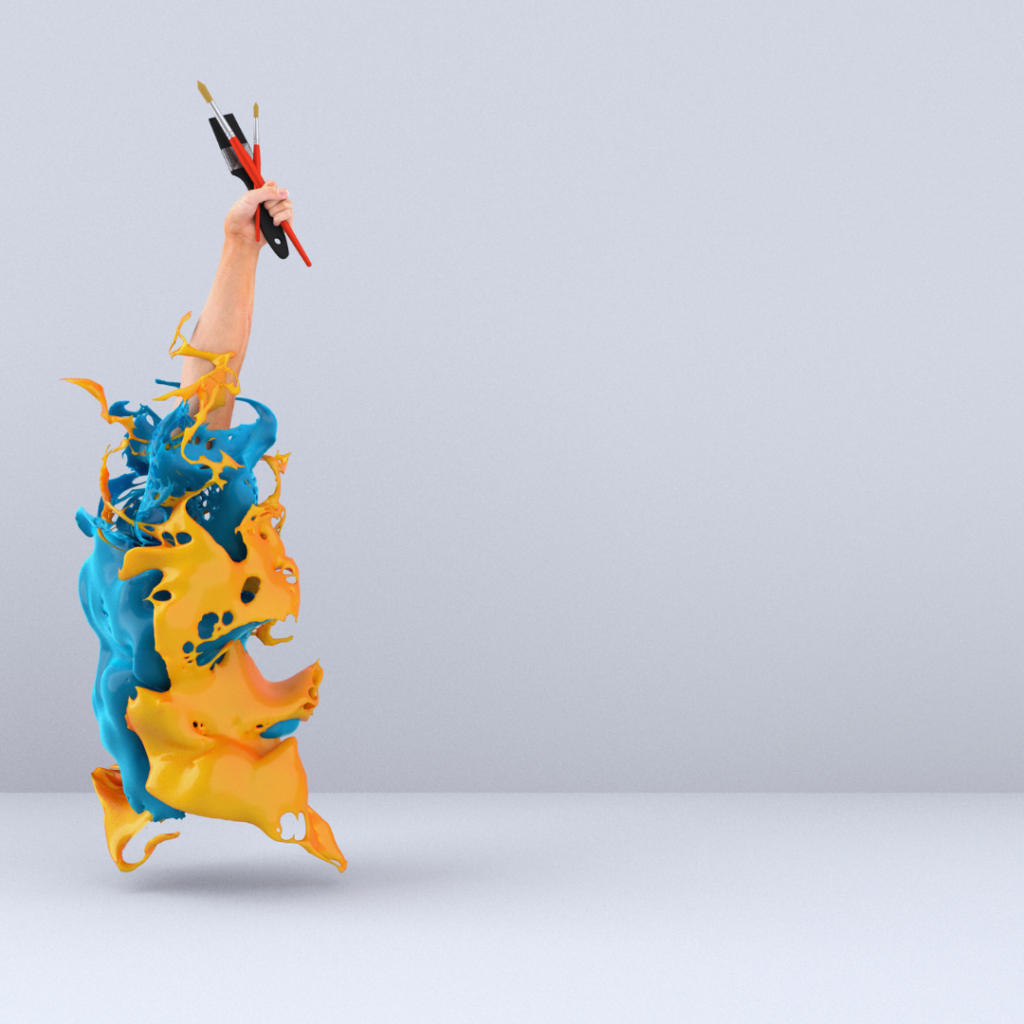
Embracing the artist within is a journey that leads to profound self-discovery and enrichment. Many individuals overlook their creative potential, believing that artistic expression is reserved for a select few. By recognising and nurturing one’s innate creativity, anyone can unlock new perspectives and experiences that transcend everyday life.
Artistic expression takes many forms, from painting and writing to music and performance. Engaging in these activities not only allows individuals to convey their thoughts and emotions but also fosters a deeper connection with their true selves. This exploration invites people to break free from societal norms and expectations, revealing the artist that resides in everyone.
To embark on this path, one does not require formal training or accolades; rather, it begins with a simple commitment to explore creativity without judgment. Taking the first step can ignite passion and transform how one interacts with the world. This pursuit of creativity is a universal experience, accessible to all who are willing to embrace it.
Discovering Your Inner Artist
To embrace one’s inner artist, it is essential to confront personal obstacles and nurture a mindset conducive to creativity. This process involves tackling self-doubt, fostering curiosity, and establishing a consistent creative routine.
Overcoming Mental Barriers
Mental barriers, such as self-doubt and the fear of failure, can hinder artistic expression. Many individuals hesitate to explore their creativity due to perfectionism, which sets unattainable standards. To counter these mental blocks, one must recognise that creativity thrives in an environment of acceptance and freedom.
Practising mindfulness can help individuals stay present, providing a clearer perspective on their creative pursuits. They should learn to embrace mistakes as opportunities for growth rather than as setbacks. Techniques such as journaling can assist in identifying negative thoughts and transforming them into positive affirmations.
Fostering Creativity and Curiosity
Creativity flourishes in an atmosphere of curiosity and exploration. Engaging with various forms of art and diverse experiences can spark inspiration. Exploring different mediums, such as painting, writing, or music, allows individuals to discover what resonates with them.
Encouraging a habit of questioning and experimenting can lead to unexpected outcomes. Scheduling time to explore new ideas without judgment helps cultivate a free-thinking mindset. Activities like visiting galleries, attending workshops, or even nature walks can activate creative thinking, leading to deeper connections with one’s artistic side.
Building a Creative Routine
Establishing a creative routine is crucial for nurturing artistic talents. Designating specific times each week dedicated solely to creative work allows for consistency. These sessions should maximise focus and minimise distractions, creating an environment conducive to productivity.
Incorporating various activities, such as sketching, writing, or brainstorming, keeps the routine dynamic. Setting short goals, like completing a painting or writing a chapter, can provide a sense of achievement. Combining this structure with periods of spontaneity encourages a healthy balance, fostering continuous artistic growth.
Artistic Expression and Mediums
Artistic expression encompasses a diverse range of mediums, enabling individuals to channel their creativity in unique ways. Understanding these mediums enhances the artist’s ability to communicate ideas and emotions effectively.
Exploring Visual Arts
Visual arts include traditional practices such as painting, drawing, and sculpture. Each medium offers distinctive characteristics that can influence the aesthetic and emotive qualities of a piece.
Painting allows for vibrant colours and textures while drawing can capture intricate details and spontaneity. Sculpture, on the other hand, brings a three-dimensional aspect to artistic expression, inviting viewers to engage with the artwork from various angles.
Artists often choose their medium based on the message they wish to convey. Integrating various materials, such as charcoal for drawing or clay for sculpture, can further enhance their vision. This exploration of visual arts lays a strong foundation for developing an individual style.
Expanding to Digital Spaces
The rise of digital art has revolutionised the way artists create and share their work. Tools like graphic design software and digital tablets enable artists to explore new techniques and styles.
Digital art facilitates experimentation without the constraints of traditional mediums. Artists can easily modify their work, allowing for greater flexibility and innovation.
Social media platforms play a crucial role in this medium’s growth. Artists can showcase their digital creations to a global audience, receiving instant feedback and engaging with their followers. This connectivity fosters a sense of community and collaboration among creators.
Incorporating digital elements into artistic practice can significantly broaden an artist’s reach and influence.
The Artistic Journey
The artistic journey involves continuous learning and personal growth. Embracing the transformative experiences that arise through both imagination and failure is crucial for any artist.
Learning and Growing
Learning is essential to the artistic process. Artists often engage in various educational avenues, from formal training to self-directed study. This commitment enables them to refine their techniques and explore new mediums.
Key areas of learning include:
- Skill Development: Artists practice specific techniques to enhance their craft.
- Artistic Exploration: Experimenting with different styles broadens their creative horizons.
- Feedback Integration: Constructive criticism is invaluable for recognizing areas needing improvement.
Through iterative experiences, artists evolve and grow, expanding their understanding of both their medium and themselves. This ongoing pursuit of knowledge equips them to create more impactful work.
Embracing Failure as Progress
Failure is an inherent part of the creative journey. For many artists, setbacks provide critical lessons that inform future endeavours. Recognising failure as a pathway to improvement transforms challenges into opportunities.
Benefits of embracing failure include:
- Resilience Building: Overcoming obstacles strengthens an artist’s resolve.
- Innovation Promotion: Mistakes can lead to unexpected discoveries and unique styles.
- Perspective Enhancement: Learning from errors cultivates a deeper understanding of artistic intent.
By accepting failure as a component of growth, artists harness its potential to drive their imaginative processes. This approach fosters a more profound connection to their work and a richer artistic expression.
Living as an Artist
Living as an artist involves seamlessly integrating creative expression into daily routines while developing a professional identity through a well-curated portfolio. The balance of pursuing artistic endeavours and nurturing personal passions is key to personal and professional growth.
Integrating Art into Everyday Life
Artists can infuse creativity into their everyday lives in various ways. Simple activities, like using a sketchbook for jotting down ideas or experimenting with colour schemes in home décor, can enhance creative expression. Engaging with art daily—even in small doses—nurtures a connection to one’s muse.
Incorporating art into routine tasks transforms the mundane. For instance, creating visually appealing meals or designing a personalised workspace encourages creative flow. Attending exhibitions or workshops offers additional inspiration, fostering a community of like-minded individuals and helpful feedback on their creative outlets.
Developing a Professional Portfolio
A professional portfolio serves as a bridge between an artist’s work and the outside world. It should reflect an individual’s creative passion, showcasing their distinct style and artistic journey. Including a variety of works—sketches, finished pieces, and mixed media—demonstrates versatility.
When compiling a portfolio, organisation is crucial. Artists can use digital platforms for easy accessibility and efficient presentation. This approach allows for engaging formats, such as interactive media or video, highlighting artistic development and self-discovery. Regularly updating the portfolio with new projects keeps it relevant and inviting to potential clients or galleries.